Premises Liability in South Carolina: When a Property Owner Is Responsible
If you’ve been hurt on someone else’s property — a Market Street restaurant, a Mount Pleasant grocery store, a North Charleston apartment complex, a hotel on the water — you may have a premises liability claim. South Carolina law holds property owners responsible for keeping their premises reasonably safe for the people they invite onto them. When they fail, and someone is injured, the owner can be held accountable.
This guide explains how premises liability works in South Carolina, the different categories of visitors recognized under SC law, the most common types of cases we handle in the Charleston area, and what to do if you’ve been injured on someone else’s property. We’ve written it for the injured visitor and the family helping them think through their options.
What premises liability actually is
Premises liability is a branch of personal injury law that holds property owners and occupiers responsible for injuries caused by unsafe conditions on their property. The legal duty owed depends on why the injured person was on the property — which is why South Carolina’s visitor classifications matter so much.
South Carolina’s four visitor classifications
South Carolina recognizes four categories of visitors, and the duty a property owner owes depends on which category applies.
Invitees
An invitee is someone on the property for the mutual benefit of the visitor and the owner — typically a customer at a business. Restaurants, retail stores, hotels, theaters, gyms, medical offices, and grocery stores all owe invitees the highest duty of care: the duty to inspect the premises, identify hazards, and either correct them or warn visitors about them.
If you slipped on a spill in a downtown Charleston restaurant and the staff knew (or should have known) about it but didn’t clean it up or post a warning sign, that’s textbook invitee liability.
Licensees
A licensee is someone on the property with the owner’s permission but not for the owner’s benefit — a social guest at a friend’s house, for example. Owners owe licensees the duty to warn of known dangers and to refrain from willful or wanton conduct, but they don’t owe the same duty to actively inspect for hazards.
Trespassers
A trespasser is someone on the property without permission. Property owners generally owe trespassers only the duty to refrain from willful or wanton injury. There are exceptions — including the attractive nuisance doctrine for trespassing children, discussed below.
Children and the attractive nuisance doctrine
South Carolina applies the attractive nuisance doctrine to protect children who might be drawn onto property by hazardous conditions they can’t appreciate — swimming pools without fences, abandoned appliances, construction sites with accessible equipment. Property owners can be liable for injuries to trespassing children if the dangerous condition was foreseeable and the child was too young to understand the risk.
Common premises liability cases in the Charleston area
Across Charleston, Mount Pleasant, North Charleston, Summerville, and the broader Lowcountry, we regularly see premises liability cases involving:
Slip and fall accidents
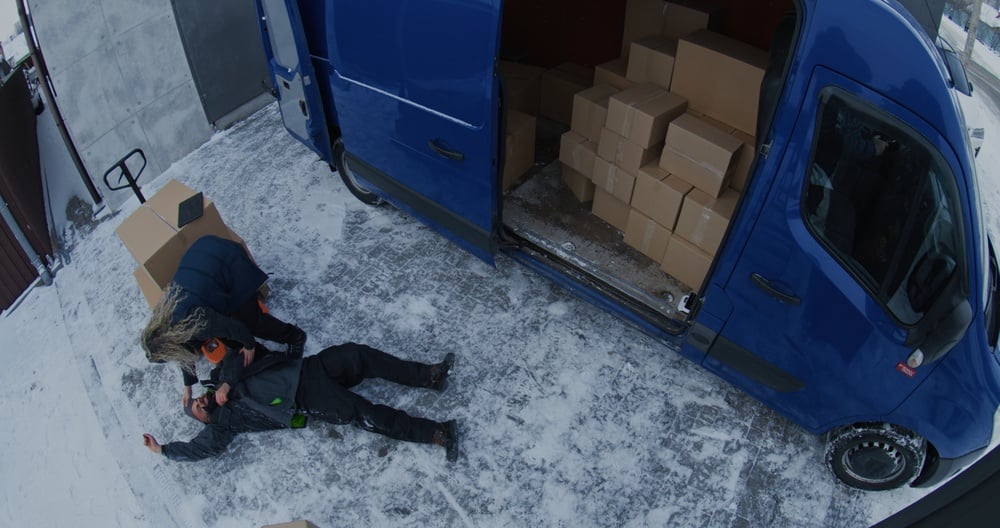
Slick floors from spills, recently mopped areas without warning signs, water tracked in from coastal weather, broken tile, loose mats, and produce on grocery store floors. Slip-and-fall cases are the most common premises claims we handle.
Trip and fall accidents
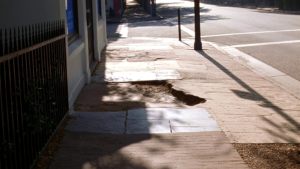
Uneven flooring, raised sidewalks, missing or damaged stair treads, unsecured cords, and poorly lit walkways — particularly on older Charleston-area properties where uneven brick and historic infrastructure create hazards alongside the charm.
Inadequate security
South Carolina recognizes claims against property owners whose inadequate security contributes to assaults, robberies, or other crimes on their premises. Apartment complexes, parking garages, hotels, and shopping centers can be liable when foreseeable criminal activity goes unaddressed.
Swimming pool accidents
Inadequate fencing, missing safety equipment, lifeguard failures, and chemical injuries. Hotel and apartment pool incidents are common, particularly during summer tourism season.
Stairway and elevator accidents
Broken handrails, poorly maintained steps, malfunctioning elevators, missing safety mechanisms.
Falling objects
Merchandise from overstuffed retail shelves, construction materials at active job sites, branches from poorly maintained trees on commercial property.
Dog bites and animal attacks
South Carolina is a strict-liability state for dog bites under SC Code § 47-3-110. A dog owner is generally liable for injuries the dog causes, regardless of whether the dog had a known history of aggression.
What you must prove in a SC premises liability case
To recover in a typical premises liability case, you generally must prove four things:
- A dangerous condition existed on the property.
- The property owner knew, or should have known, about the condition. This is often the most contested element. Did the owner cause the condition? How long had it existed? Was it visible to a reasonable inspection?
- The owner failed to correct the condition or adequately warn visitors about it.
- The dangerous condition caused your injury and resulting damages.
South Carolina’s modified comparative negligence rule may also apply. If you were partly responsible for your own injury — for example, by ignoring an obvious hazard or not watching where you were going — your recovery can be reduced by your percentage of fault. If you were more than 50% at fault, you cannot recover at all.
What damages may cover
Damages in a South Carolina premises liability case may include past and future medical bills, lost wages and lost earning capacity, pain and suffering, rehabilitation costs, and — for catastrophic injuries — life-care costs. Catastrophic injury cases can also involve home modifications, ongoing nursing care, and lost quality-of-life damages.
What to do after a premises injury
- Report the incident. Notify the property owner, manager, or supervisor in writing. Get a copy of the incident report.
- Get medical care. Document your injuries from the start.
- Photograph the scene. The hazard, the surrounding area, lighting, and any warning signs (or absence of them).
- Identify witnesses. Names, phone numbers, what they saw.
- Preserve evidence. The shoes you were wearing, the clothing, anything related to the incident.
- Don’t give a recorded statement. The owner’s insurance carrier may call quickly — politely decline until you’ve spoken with a lawyer.
- Talk to a Charleston injury lawyer. Premises cases turn on evidence that disappears fast — surveillance video typically loops in 30 days or less.
Frequently asked questions
Does it matter that I didn’t see the hazard?
Often, the fact that the hazard wasn’t obvious actually helps your case — owners are more clearly liable for conditions they should have warned about. The defense will probably argue you should have seen it; the right evidence pushes back.
What if I was at a friend’s house?
Social guests are licensees in South Carolina, owed a lesser duty than business invitees. You may still have a claim, particularly if the host knew of a hidden danger and didn’t warn you. Homeowner’s insurance typically covers these claims.
How long do I have to file?
Three years from the date of injury under South Carolina’s general personal injury statute of limitations. Government-owned property has shorter deadlines under the SC Tort Claims Act.
What if the property owner says I was trespassing?
Whether you were a trespasser, licensee, or invitee is often disputed and fact-specific. Even trespassers can recover in some cases — particularly children injured by attractive nuisances or anyone injured by an owner’s willful or wanton conduct.
Does my homeowner’s insurance cover dog bites?
Most standard South Carolina homeowner’s policies cover dog bites, subject to policy limits and exclusions for certain breeds. The dog owner’s policy is usually the source of compensation for a bite victim.
How long does a premises liability case take?
It depends on the severity of the injury, the clarity of the evidence, and the willingness of the insurance company to negotiate. Many cases resolve within 9–18 months; complex cases involving catastrophic injuries can take longer.
How Grooms Law Firm handles premises liability cases
Premises liability cases turn on evidence — and on evidence that disappears quickly. Surveillance footage gets overwritten. Maintenance logs get filed away. Witnesses move. We move fast to preserve what matters and to build the case on the foundation that property owners and their insurance carriers know how to defend against.
If you’ve been injured on someone else’s property in Charleston, the Lowcountry, or anywhere in South Carolina, contact Grooms Law Firm for a free consultation. We’ll listen, look at the evidence, and explain your options — without pressure, and without promises we can’t keep.
For a closer look at fall claims specifically, including what evidence to preserve in the first hours, see our guide for anyone working with a Charleston slip and fall lawyer.