Charleston Slip and Fall Lawyer: Proving a Premises Liability Claim in South Carolina
A fall happens in a second. One moment you are walking into a grocery store on Savannah Highway or stepping onto a restaurant patio downtown, and the next you are on the ground with a broken wrist or a serious back injury. Falls are often treated as clumsy accidents, even by the people who suffer them. But when a property owner let a hazard go unaddressed, South Carolina law may hold that owner responsible for the harm it caused.
Our firm has spent years helping injured people across Charleston, Mount Pleasant, North Charleston, and Summerville understand where they stand after a fall. This article explains how premises liability claims work in South Carolina, what you have to prove, and why these cases are often harder than they look. This is general information rather than legal advice for your specific situation, so please speak with an attorney about the details of your own case.
What Counts as a Slip and Fall Case
“Slip and fall” is everyday shorthand for a broader area of law called premises liability. It covers injuries caused by an unsafe condition on someone else’s property. The fall itself can take several forms, and the legal analysis is similar for each.
- Slips. A wet floor, a spilled drink, tracked-in rainwater near an entrance, or a freshly mopped aisle with no warning sign.
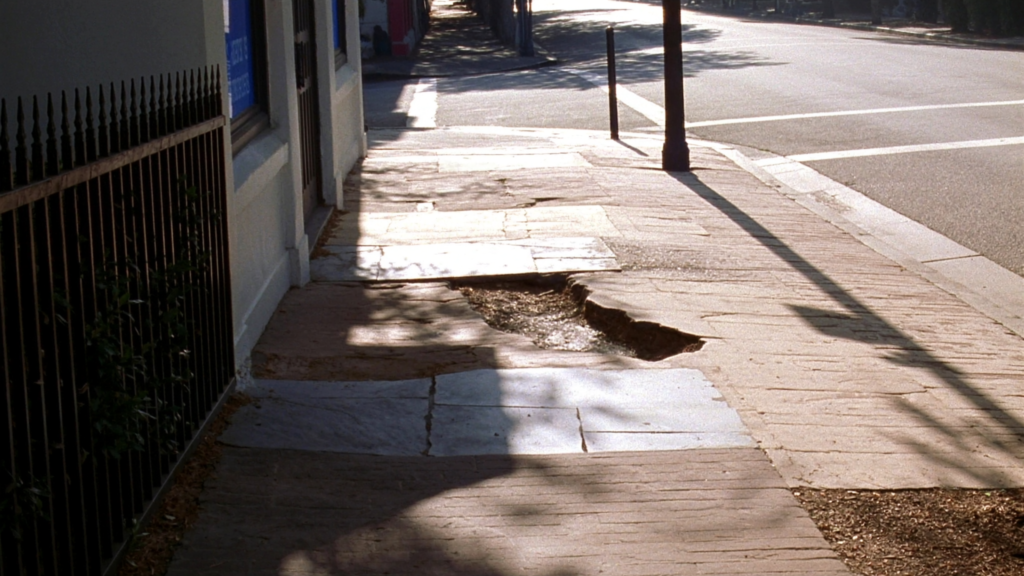
- Trips. Uneven pavement, a raised sidewalk slab lifted by a live oak root, torn carpet, an unmarked step, or an extension cord across a walkway.
- Falls from height. A loose stair railing, a rotted porch board, or an unguarded drop on a deck or dock.
- Poor lighting. A dim stairwell or parking garage that hides a hazard you would otherwise have seen.
Charleston adds a few local wrinkles. Much of the peninsula sits on historic infrastructure, with bluestone and brick sidewalks that shift over time. Heavy afternoon thunderstorms and coastal humidity leave entryways slick. Tourist-heavy blocks see enormous foot traffic through buildings that were never designed for it. None of that automatically makes a property owner liable, but it does mean hazards are common and, often, well known to the people responsible for the property.
What You Have to Prove in South Carolina
Winning a premises liability claim takes more than showing that you fell and got hurt. You generally have to prove four things.
1. The Property Owner Owed You a Duty of Care
In South Carolina, how much care a property owner owes you depends on why you were there. Courts sort visitors into categories.
- Invitees are people on the property for the owner’s business benefit, such as customers in a store, diners in a restaurant, or guests at a hotel. Invitees are owed the highest duty: the owner must keep the property reasonably safe and inspect for hazards.
- Licensees are social guests. The owner must warn them about known dangers but has less of a duty to go looking for problems.
- Trespassers are owed very little, though there are exceptions, particularly where children are involved.
Most slip and fall claims we see involve invitees, because most falls happen at businesses open to the public.
2. A Dangerous Condition Existed
There has to be an actual hazard, not just an ordinary feature of the property. A step is not dangerous simply because someone missed it. A step that is a different height from the others, unlit, and unmarked may well be.
3. The Owner Knew or Should Have Known About It
This is where most cases are won or lost. You generally must show the owner had either actual notice (someone told them, or they created the hazard themselves) or constructive notice (the condition existed long enough that a reasonable inspection would have caught it).
A puddle that a customer spilled thirty seconds before your fall is usually not enough. The same puddle, sitting there for an hour with cart tracks running through it while employees walked past, tells a very different story. This is why evidence gathered early matters so much.
4. The Hazard Caused Your Injuries
Finally, you have to connect the condition to your injuries and your losses. Prompt medical treatment creates the record that makes this link clear. Gaps in treatment give an insurer room to argue that something else caused your pain.
How Shared Fault Affects a Fall Claim
Property owners and their insurers almost always raise the same defense: you should have been watching where you were going. South Carolina follows a modified comparative negligence rule, which we explain in more detail in our guide to South Carolina’s comparative negligence rule.
The short version is that your compensation is reduced by your share of the fault, and if you are found more than 50 percent responsible, you recover nothing. If a jury values your damages at $100,000 but finds you 20 percent at fault, you would recover $80,000.
Insurers know this rule well and lean on it hard in fall cases. Expect arguments that the hazard was “open and obvious,” that you were distracted by your phone, or that your shoes were inappropriate. These arguments are not automatically winners, but they are the reason careful documentation matters.
What to Do After a Fall
The hours right after a fall shape what evidence will exist later. If you are able, a few steps help considerably.
- Report it. Tell a manager or employee and ask that an incident report be created. Request a copy.
- Photograph the scene immediately. Capture the hazard itself, the surrounding area, the lighting, any missing warning signs, and your shoes and clothing. Spills get mopped and hazards get repaired quickly, sometimes within minutes.
- Get names. Witnesses matter enormously in fall cases, and they scatter fast.
- Seek medical care the same day. Adrenaline masks injury, and a delay hands the insurer an argument.
- Ask about video. Most commercial properties have cameras, but footage is often overwritten in a matter of days or weeks. A prompt preservation request from an attorney can keep it from disappearing.
- Be careful with statements. A property insurer may call quickly and ask for a recorded statement. You are not required to give one before you understand your claim.
Deadlines You Cannot Miss
South Carolina generally gives you three years from the date of injury to file a personal injury lawsuit. Our article on the statute of limitations for personal injury claims covers the details and the exceptions.
One exception deserves emphasis. If your fall happened on property owned by a government entity, such as a city sidewalk, a county building, or a public school, the South Carolina Tort Claims Act applies. Those claims carry shorter notice requirements and different rules, and missing an early deadline can end an otherwise strong case. If your fall happened on public property anywhere in the Lowcountry, it is worth talking to an attorney quickly rather than waiting.
What a Premises Liability Claim May Cover
Damages in a fall case are similar to other injury claims and may include emergency and ongoing medical care, future treatment, lost wages, reduced earning capacity, and pain and suffering. Falls frequently cause hip fractures, wrist and shoulder injuries, herniated discs, and head injuries, and those consequences can last far beyond the initial treatment.
If you want a fuller picture of how these numbers come together, see our discussion of what a personal injury case may be worth in South Carolina. And if an adjuster has already made you an offer, our article on whether to accept an insurance company’s first offer is worth reading before you sign anything.
Frequently Asked Questions
Do I have a case if I fell in a store and no one saw it?
Possibly. A lack of witnesses makes the claim harder but not hopeless. Surveillance footage, incident reports, maintenance and inspection logs, and prior complaints about the same hazard can all establish notice. The sooner those records are requested, the more likely they still exist.
What if the hazard was obvious?
South Carolina property owners can argue that an open and obvious danger relieves them of responsibility. That defense does not always succeed, particularly when the owner should have expected people to encounter the hazard anyway, or when the surrounding circumstances made it hard to avoid.
How long does a slip and fall case take?
It varies widely based on the severity of your injuries and whether liability is disputed. Fall cases are often contested more heavily than car accident claims. Our article on how long a personal injury claim takes in South Carolina walks through the typical stages.
What does it cost to hire a slip and fall lawyer?
Personal injury firms, including ours, typically work on a contingency fee, meaning you pay no attorney’s fee unless there is a recovery. You can read more in our explanation of contingency fees in Charleston personal injury cases.
Can I still recover if I was partly at fault?
Yes, as long as you were not more than 50 percent responsible. Your recovery would be reduced by your percentage of fault.
Talk With a Charleston Premises Liability Attorney
Fall cases reward early action. Evidence disappears, hazards get repaired, and video gets overwritten while injured people are still focused on getting better. If you were hurt on someone else’s property in Charleston or anywhere in the Lowcountry, our firm can help you understand whether you have a claim and what steps protect it.
You can contact Grooms Law Firm for a free consultation. There is no cost to ask questions, and no obligation to move forward. If you would like broader background first, our South Carolina personal injury FAQ and our overview of premises liability in South Carolina are good places to start.