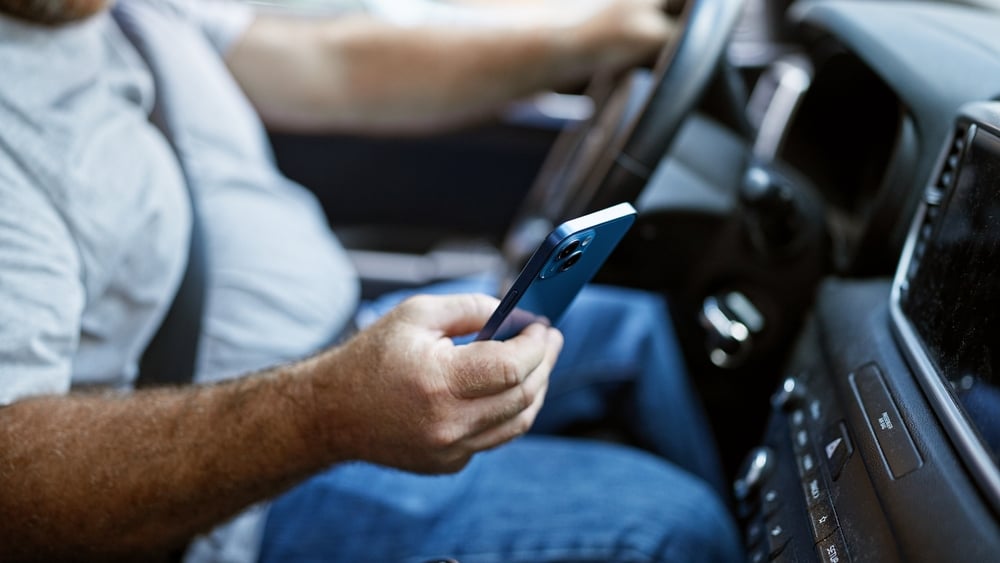
A single glance at a phone is all it takes. In the time it takes to read a text, a car traveling highway speeds covers the length of a football field. If you were hurt by someone who looked down instead of looking at the road, you already know how quickly an ordinary drive can turn into something that changes your life. As a distracted driving accident lawyer serving the Lowcountry, our firm helps people in Charleston and the surrounding area understand their rights and pursue fair compensation after a crash caused by another driver’s inattention.
This guide explains how South Carolina law treats distracted driving, what it takes to prove the other driver was distracted, and the steps that can protect your claim. It is written in plain English so you can focus on healing while you decide what to do next.
What counts as distracted driving in South Carolina
Most people picture texting when they hear “distracted driving,” and texting is a serious problem. But distraction comes in many forms. South Carolina law and traffic-safety agencies generally describe three types of distraction: taking your eyes off the road (visual), taking your hands off the wheel (manual), and taking your mind off driving (cognitive). Texting is dangerous because it involves all three at once.
On our local roads, distraction shows up in ways that go well beyond phones:
- Programming a GPS or navigation app while moving
- Eating or drinking behind the wheel during a busy commute on I-26
- Tourists and seasonal visitors looking at the scenery instead of the traffic, especially near the Ravenel Bridge, US-17, or downtown Charleston
- Adjusting in-car touchscreens, music, or climate controls
- Reaching for items, turning to talk with passengers, or tending to children in the back seat
According to the National Highway Traffic Safety Administration, distracted driving claims thousands of lives every year. Here in the Lowcountry, where tourist traffic and seasonal congestion put more cars on roads like I-526 and King Street, the risk is very real for everyone who drives.
South Carolina’s texting and hands-free laws
South Carolina has a statewide ban on texting while driving. Under state law (generally found at SC Code 56-5-3890), it is illegal to compose, send, or read a text message while operating a vehicle. The goal is straightforward: keep drivers’ eyes on the road and their attention on the task of driving.
In recent years, South Carolina has moved toward broader hands-free requirements. The state has strengthened its distracted driving rules through the SC Hands-Free and Distracted Driving Act, which restricts holding or physically supporting a phone while driving rather than only banning texting. The practical takeaway is the same for everyone on the road: holding a phone behind the wheel is increasingly treated as unsafe and unlawful in South Carolina. If you are unsure how the current rules apply to a specific crash, an attorney can review the facts and explain where things stand.
Why a traffic violation matters to your claim
Traffic laws like the texting ban exist to keep people safe. When a driver breaks a safety law and that violation causes a crash, the violation can become strong evidence that the driver was negligent. Lawyers sometimes call this concept “negligence per se.” In plain terms, it means that breaking a safety statute can help show the driver failed to act with reasonable care. You still have to connect that violation to your injuries, but a clear statutory violation can strengthen a texting and driving accident South Carolina claim considerably.
Proving the other driver was distracted
Distraction often happens in an instant and leaves no obvious mark on the scene. That is why building a distracted driving claim Charleston families can rely on usually depends on evidence that must be gathered quickly and carefully. The good news is that modern cars and phones leave behind a trail.
Types of evidence that can show distraction
- Phone and cell records. Call logs, text timestamps, and data usage can show whether the driver was using a phone at the moment of impact.
- App usage data. Records from navigation, social media, or messaging apps can reveal activity during the drive.
- Event data recorder data. Many vehicles have a “black box” that stores speed, braking, and steering information from the seconds before a crash.
- Witness testimony. Other drivers, passengers, and bystanders may have seen the driver looking down or holding a phone.
- Video. Traffic cameras, business security footage, dashcams, and doorbell cameras can capture what happened.
Much of this evidence does not last forever. Phone records can be overwritten, vehicles get repaired or scrapped, and video footage is often deleted within days or weeks. An attorney can move quickly to preserve this evidence, including by sending formal preservation letters and, when appropriate, requesting records through the legal process. Acting early can make a real difference in what your claim looks like later.
Distracted driving claims also overlap with other types of crashes. If a distracted commercial driver caused your injuries, the case may resemble a truck accident with additional company records to pursue. If you were hurt as a passenger or pedestrian involving a rideshare vehicle, our guidance on a rideshare accident may be helpful. For a broader overview, see our page on the Charleston motor vehicle accident process.
How South Carolina’s comparative negligence rule affects your case
Sometimes the other side argues that you share part of the blame. South Carolina follows a modified comparative negligence rule. Under this rule, you can still recover damages as long as you are not more than 50 percent at fault for the crash. If you are partially at fault, your compensation is reduced by your share of the blame. For example, if you are found 20 percent responsible, your recovery is reduced by 20 percent.
Because insurers often try to shift blame to reduce what they pay, it helps to have someone who can push back with evidence. You can learn more about how this works on our page about comparative negligence in South Carolina.
Deadlines and the damages you may recover
South Carolina sets a general deadline, called the statute of limitations, for filing most personal injury lawsuits. Under SC Code 15-3-530, that deadline is usually three years from the date of the crash. There are exceptions that can shorten or change this window, so it is wise to learn where you stand well before any deadline approaches. Waiting too long can mean losing the right to pursue a claim entirely.
What compensation can cover
Every case is different, but a distracted driving claim may seek compensation for several types of losses:
- Medical expenses, including emergency care, surgery, hospital stays, medication, and rehabilitation
- Lost wages for time you could not work while recovering
- Pain and suffering, which accounts for the physical pain and emotional toll of your injuries
- Future care, for serious injuries that require ongoing treatment, therapy, or long-term support
As a South Carolina distracted driving lawyer, our firm works to document the full scope of your losses, not just the bills that have already arrived. Serious injuries often have costs that continue long after the crash, and those deserve to be part of the conversation.
What to do after a distracted driving crash
In the moments and days after a collision in Mount Pleasant, North Charleston, Summerville, Goose Creek, or anywhere across the Lowcountry, a few steps can protect both your health and your claim:
- Get medical attention, even if you feel fine at first. Some injuries take time to show symptoms.
- Call law enforcement and make sure a report is filed.
- If it is safe, take photos of the vehicles, the road, and any visible injuries.
- Get names and contact information for witnesses.
- Write down what you remember about the other driver’s behavior, such as whether they appeared to be looking at a phone.
- Be careful about giving recorded statements to the other driver’s insurance company before you understand your rights.
Frequently asked questions
How do I prove the other driver was texting?
Proving distraction usually relies on a combination of evidence: phone and cell records, app usage data, event data recorder (“black box”) information, witness statements, and any available video. Much of this evidence can disappear, so it helps to involve an attorney early who can take steps to preserve it.
Is distracted driving only about cellphones?
No. While phones are a leading cause, distraction also includes using GPS, eating, adjusting in-car screens, and looking away from the road. In a tourist-heavy area like Charleston, drivers distracted by scenery near the Ravenel Bridge or downtown can be just as dangerous as those texting.
What if I was partly at fault for the crash?
South Carolina follows a modified comparative negligence rule. You can still recover damages as long as you were not more than 50 percent at fault, though your compensation is reduced by your share of the blame. An attorney can help you respond if the insurer tries to overstate your responsibility.
How long do I have to file a claim in South Carolina?
The statute of limitations for most personal injury claims in South Carolina is generally three years from the date of the crash, under SC Code 15-3-530. Some exceptions apply, so it is best to learn where you stand well before that deadline.
What does it cost to hire a distracted driving accident lawyer?
Our firm handles these cases on a contingency fee basis, which means you do not pay attorney fees up front. Instead, fees are paid out of any recovery we obtain for you. This allows you to pursue your claim without adding financial stress during your recovery.
What kinds of compensation might I be able to recover?
Depending on your situation, a claim may seek compensation for medical expenses, lost wages, pain and suffering, and future care for serious injuries. We work to document both your current losses and the costs likely to continue down the road.
Talk with a Lowcountry distracted driving lawyer
A crash caused by another driver’s distraction can leave you facing medical bills, missed work, and a lot of uncertainty. You do not have to sort it out alone. Our firm is locally rooted in Charleston and the surrounding Lowcountry, and we are here to listen, explain your options in plain language, and handle the legal details so you can focus on getting better.
If you or a loved one was hurt by a distracted driver, we invite you to reach out for a conversation about your situation. There is no pressure, just clear answers. Contact Grooms Law Firm when you are ready, and we will help you understand the path forward.