
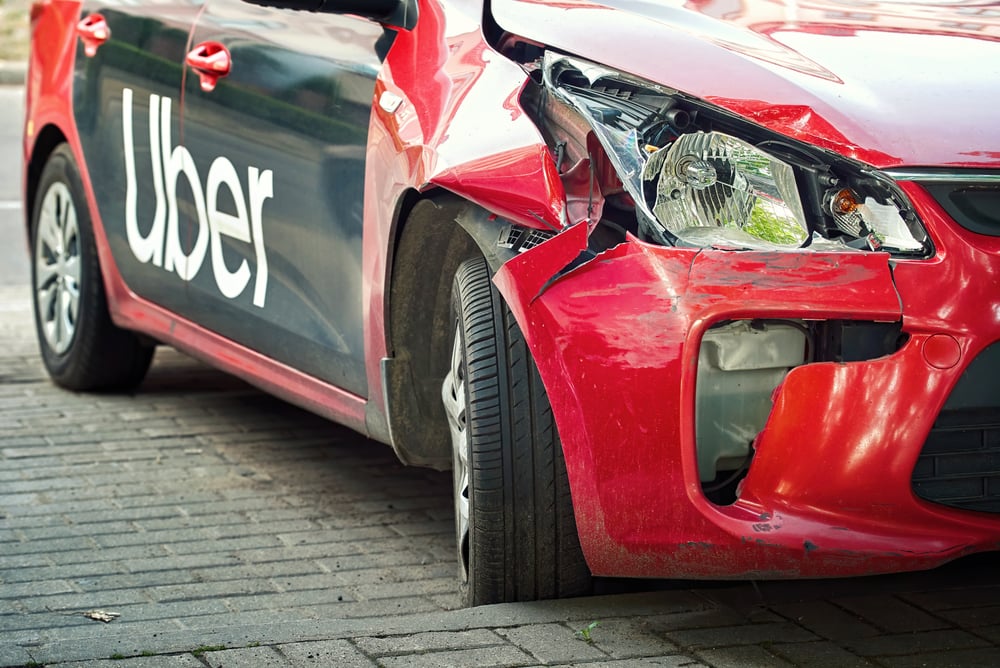
Charleston Uber & Lyft Accident Lawyer: Rideshare Injury Claims in SC
If you were hurt in an Uber or Lyft crash anywhere in Charleston — King Street late on a Saturday night, leaving MUSC after a hospital visit, or coming back from Charleston International Airport on a Sunday afternoon — you are not stuck handling the claim on your own. Rideshare cases run differently than ordinary car-accident cases, and the insurance coverage available to you depends on whether the driver’s app was on, off, or in the middle of a trip when the crash happened. A Charleston rideshare accident attorney can walk you through what coverage applies, who is responsible, and how to recover medical costs, lost wages, and other damages under South Carolina law.
Our firm helps injured passengers, other drivers, and pedestrians across the Lowcountry pursue rideshare injury claims involving Uber and Lyft. We work on a contingency fee — you owe nothing unless we recover for you — and we keep you in the loop at every step.
How rideshare insurance actually works in South Carolina
Both Uber and Lyft operate in South Carolina under the state’s Transportation Network Companies Act (SC Code Title 58, Chapter 23). The law sets out specific insurance coverage requirements for rideshare drivers, but the coverage is layered — the dollar amount and the responsible insurer change depending on what the driver was doing when the crash happened. Understanding which “period” applies is the first move in any Charleston rideshare claim.
Period 1 — Driver online, no ride accepted
The driver is logged into the Uber or Lyft app but has not yet accepted a ride. In South Carolina, the rideshare company is required to provide at least $50,000 per person / $100,000 per incident in bodily injury liability coverage, plus $25,000 in property damage. The driver’s personal auto policy may also apply, depending on whether it has rideshare endorsements.
Period 2 — Ride accepted, driver heading to pickup
Once the driver accepts a trip and is on the way to pick up a passenger, the higher rideshare policy kicks in. Uber and Lyft both provide $1,000,000 in third-party liability coverage during this period.
Period 3 — Passenger in the vehicle
From the moment the passenger gets in until the ride ends in the app, the full $1,000,000 liability policy applies. Uninsured and underinsured motorist coverage also applies during Periods 2 and 3, which can be critical if the at-fault driver is someone other than the rideshare driver and that other driver carries minimum-limit insurance.
Who’s liable after a Charleston Uber or Lyft crash?
Liability depends on the facts. If the rideshare driver caused the crash, the claim usually goes against Uber’s or Lyft’s commercial policy. If another driver caused the crash — a delivery truck on I-26, a distracted driver on Coleman Boulevard, a tourist running a light downtown — the at-fault driver’s insurer is the first responsible payer, and the rideshare uninsured/underinsured coverage may stack on top if the at-fault policy is insufficient.
Multi-vehicle Charleston crashes, especially on I-26, I-526, and Highway 17, often involve more than one possible defendant. Sorting out who pays what — and in what order — is where experienced legal representation matters most.
Common Charleston rideshare scenarios we handle
The injuries our firm sees from local rideshare cases are not unique to one kind of trip. A few patterns come up repeatedly:
- Passenger injured when an Uber driver is rear-ended on the Ravenel Bridge during stop-and-go traffic.
- Lyft driver T-boned at an intersection in Mount Pleasant by a driver running a red.
- Pedestrian hit at a crosswalk near MUSC or downtown by a rideshare driver pulling over for a pickup.
- A second vehicle struck by a rideshare driver who was looking at the app instead of the road.
- A passenger thrown forward when a driver brakes hard to avoid a Folly Road wreck.
Each of these requires identifying the right policy, preserving the right evidence (rideshare trip logs, dashcam footage where available, dispatch records), and pursuing the claim against the right party.
What to do after a rideshare accident in Charleston
If you can, take these steps in the first hours and days after the crash:
- Call 911 and let officers create a crash report on the scene.
- Get medical attention even if you feel only sore — many soft-tissue injuries surface 24 to 72 hours later.
- Screenshot the Uber or Lyft trip in your app — the receipt, the driver name, the trip ID, the map of the route.
- Photograph the vehicles, the scene, and any visible injuries before you leave.
- Get names and contact info from the rideshare driver, any other drivers, and any witnesses.
- Do not give a recorded statement to any insurance company before you speak with an attorney.
- Save all medical records, prescriptions, and out-of-pocket costs.
You can also review our broader guide on Charleston motor vehicle accidents for steps that apply to any crash on Lowcountry roads.
How a Charleston rideshare accident attorney builds your case
Rideshare cases turn on documentation. Our firm pulls the trip logs from Uber or Lyft, secures dashcam or dashcam-equivalent video where available, retrieves the police report, gets your medical records and bills organized, and works directly with insurers so you do not have to. If South Carolina’s modified comparative negligence rule is in play — for instance, if multiple drivers contributed to the crash — we present the evidence to position your share of fault as low as the facts allow.
Rideshare companies and their insurers often try to settle quickly and quietly. A fast offer is rarely a fair one when serious injuries are involved. We assess your case on the medical reality, not the insurance company’s opening number, and we are prepared to take the matter to trial if a fair settlement does not materialize.
Frequently asked questions
Does Uber or Lyft insurance cover me as a passenger in Charleston?
Yes. From the moment you get in the vehicle until the trip ends in the app, you are covered by the rideshare company’s $1,000,000 third-party liability policy and its uninsured/underinsured motorist coverage. This applies whether the rideshare driver was at fault or another driver caused the crash.
What if my driver was off-app at the time of the crash?
If the driver was not logged into the Uber or Lyft app, the rideshare company’s coverage does not apply. The driver’s personal auto policy would be primary. We help clients confirm which policy applies by pulling the trip data directly from the rideshare platform.
Who pays my medical bills after a rideshare accident in SC?
Initially, your own health insurance or MedPay coverage on your auto policy is usually the fastest route to treatment. The at-fault driver’s liability insurance — or the rideshare policy — ultimately reimburses those costs as part of the settlement. We work with medical providers to coordinate billing and protect any liens.
How long do I have to file a rideshare injury claim in South Carolina?
South Carolina’s general statute of limitations for personal injury is three years from the date of the crash. There are exceptions and shorter deadlines in some situations — see our guide on the South Carolina statute of limitations for injury claims. Waiting hurts the case even when the deadline is months away.
Will Uber or Lyft try to settle directly with me?
They often will. Their adjusters are trained to resolve claims quickly and for as little as possible. Before signing anything or accepting a payment, talk to a Charleston rideshare accident lawyer. Once you sign a release, you give up the right to seek more — even if your injuries turn out to be worse than they first appeared.
Talk to a Charleston rideshare accident lawyer
If you were hurt in an Uber or Lyft crash anywhere in Charleston, Mount Pleasant, North Charleston, Summerville, or elsewhere in the Lowcountry, we can help you understand your options. Contact Grooms Law Firm for a free consultation. You will speak directly with an attorney about your situation, and there is no fee unless we recover for you.