Charleston 18-Wheeler Accident Lawyer: What You Need to Know After a Truck Crash
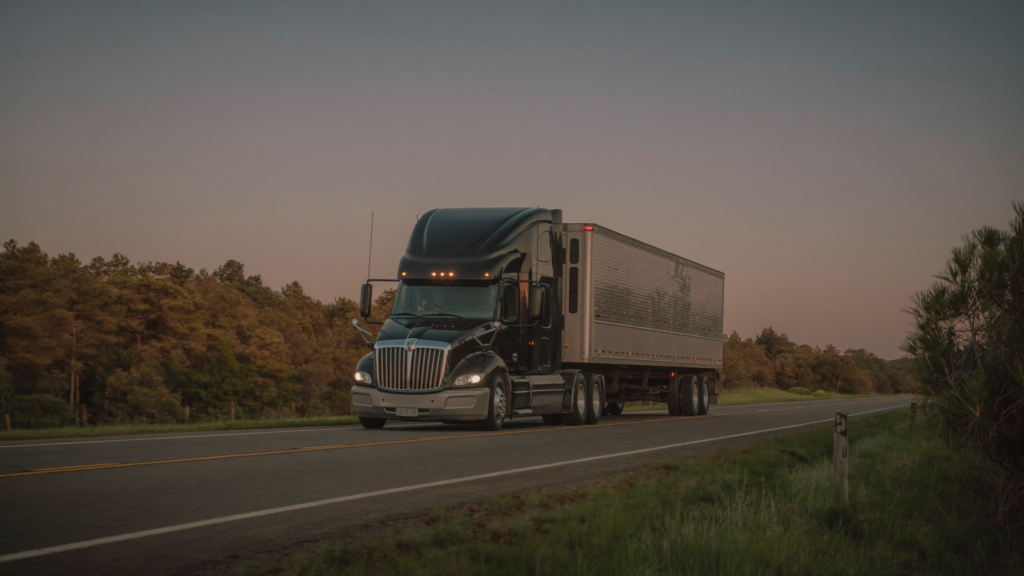
A collision with a fully loaded tractor-trailer is not like a fender bender. When a big rig weighing up to 80,000 pounds strikes a passenger car, the people inside that car often face life-changing injuries. If you or someone you love was hurt this way, working with a Charleston 18-wheeler accident lawyer can help you understand your rights and protect the evidence that will decide your case. Our firm handles these claims across the Lowcountry, and we know how quickly things move after a serious truck crash.
We wrote this guide to answer the questions we hear most often. It explains why truck cases are different, who may be responsible, and what steps matter in the days right after a wreck. Every situation is unique, so please treat this as general information rather than legal advice about your specific claim.
Why Truck Accidents Are Different From Car Accidents
Most drivers understand how a routine car accident works. Two vehicles collide, insurance companies exchange information, and the claim gets resolved. A crash involving an 18-wheeler follows a very different path. The size and weight of a commercial truck mean the harm is often severe, and the legal picture is far more crowded.
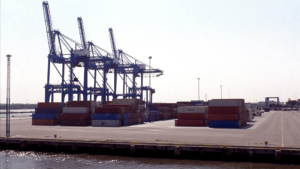
Here in the Charleston area, freight traffic is a daily reality. The Port of Charleston moves an enormous volume of cargo, and much of it travels by truck along Interstate 26 (I-26) and Interstate 95 (I-95). Those corridors carry a steady stream of tractor-trailers through North Charleston, Summerville, and the surrounding communities. More trucks on the road means more chances for a serious crash.
Catastrophic Injuries Are Common
Because of the difference in size and weight, people in smaller vehicles tend to absorb the worst of the impact. We regularly see traumatic brain injuries, spinal cord damage, multiple fractures, internal injuries, and other harm that can require months of treatment or a lifetime of care. These injuries also carry heavy costs, from surgery and rehabilitation to lost income and long-term support. That is one reason a semi-truck accident lawyer approaches these cases with a broader view of what a full recovery really involves.
Federal Rules That Govern Commercial Trucks
Commercial trucking is a heavily regulated industry. The Federal Motor Carrier Safety Administration (FMCSA) sets national safety rules that trucking companies and drivers must follow. These rules exist to keep dangerous, overworked, or unqualified drivers off the road. When a company cuts corners, those same rules can become powerful evidence in your case.
A few of the most important federal requirements include:
- Hours-of-service limits. Drivers may only operate for a set number of hours before they must rest. These limits are meant to prevent fatigue, which remains a leading cause of truck crashes.
- Driver qualification standards. Carriers must confirm that drivers are properly licensed, medically fit, and trained for the equipment they operate.
- Maintenance and inspection duties. Trucks must be inspected and kept in safe working order, with records to prove it.
- Electronic logging devices (ELDs). Most commercial trucks must record driving time electronically, which makes it harder to hide hours-of-service violations.
When we investigate a crash, we look closely at whether these standards were met. A missed inspection, a falsified log, or a fatigued driver behind the wheel can shift the entire direction of a claim.
Who Can Be Held Responsible After a Big Rig Crash
One of the biggest differences in a tractor-trailer accident in Charleston is that more than one party may share the blame. In a typical car accident, you usually deal with a single at-fault driver. In a commercial truck case, several businesses may have played a role in what happened. Identifying each of them is a key part of the work a commercial truck accident lawyer does.
Multiple Potentially Liable Parties
Depending on the facts, responsibility may fall on one or more of the following:
- The truck driver, if their actions caused or contributed to the crash.
- The motor carrier, or trucking company, which may be responsible for hiring, training, scheduling, and supervising the driver.
- A freight broker, who arranged the load and selected the carrier.
- The cargo loader, if improperly loaded or unsecured freight played a part.
- A maintenance contractor, if poor repairs or skipped service led to a mechanical failure.
- A parts manufacturer, if a defective brake, tire, or other component failed.
Sorting out who is responsible takes careful investigation. Each party usually carries its own insurance and its own legal team, and each will look for reasons to point the finger elsewhere. Understanding how these relationships work is central to our approach to trucking and commercial accident cases. You can read more about how we handle these claims on our trucking and commercial accidents page.
Why Evidence Disappears So Quickly
Perhaps the most urgent difference in a truck case is how fast the most important evidence can vanish. The information that proves what really happened often sits inside the truck itself or in the trucking company’s records. Without prompt action, some of it can be overwritten, discarded, or simply lost.
The Critical Evidence in a Truck Case
Some of the most valuable proof includes:
- ELD data, which shows how long the driver had been on the road.
- The “black box” or engine control module (ECM), which can record speed, braking, and other data from the moments before impact.
- Driver logs, showing hours worked and rest taken.
- Dashcam footage, if the truck was equipped with a camera.
- Maintenance and inspection records, which reveal whether the truck was properly serviced.
How a Spoliation Letter Protects Your Case
Because this evidence can disappear, one of the first steps a big rig accident attorney in SC often takes is sending a spoliation, or evidence-preservation, letter. This letter formally notifies the trucking company and others that they must preserve the truck, its data, and related records. It puts them on notice that destroying this information could carry legal consequences. Acting early gives you the best chance of securing the proof your case may depend on, which is one reason we encourage crash victims to reach out sooner rather than later.
South Carolina Laws That Affect Your Claim
Two South Carolina rules shape nearly every truck accident claim in our state, and both are worth understanding early.
Modified Comparative Negligence
South Carolina follows a modified comparative negligence rule. In plain terms, your compensation can be reduced by your share of the fault. If you are found partly responsible, your recovery is lowered by that percentage. And if you are found to be more than 50 percent at fault, you are barred from recovering at all. Because insurance companies know this, they often try to shift as much blame as possible onto injured people. Careful investigation and strong evidence help protect your share of the recovery.
The Three-Year Statute of Limitations
In most South Carolina personal injury cases, you have three years from the date of the crash to file a lawsuit, under S.C. Code section 15-3-530. That may sound like plenty of time, but truck cases involve so much evidence-gathering that starting early matters. Miss the deadline, and you can lose the right to pursue your claim entirely. If you are unsure how this deadline applies to your situation, it is worth speaking with an attorney promptly.
How Our Firm Approaches Truck Accident Cases
When you bring us a truck crash, we start by preserving evidence and identifying every party who may share responsibility. We work to understand the full scope of your injuries and losses, both the bills you have already received and the care you may need down the road. Our goal is to build a clear, well-documented case so that you are treated fairly and not pressured into an early, inadequate settlement.
We handle personal injury claims on a contingency basis. That means you owe no attorney fee unless we recover compensation for you. This lets you focus on healing while we handle the legal work. If you would like to understand more about the value of a claim, our guide on what your case may be worth is a helpful place to start.
Frequently Asked Questions
How is a truck accident case different from a car accident case?
Truck cases usually involve more serious injuries, multiple potentially responsible parties, federal safety regulations, and time-sensitive electronic evidence. That combination makes them more complex than a typical car accident claim, which is why an 18 wheeler accident lawyer investigates them differently.
Who can be held responsible for my injuries?
Depending on the facts, responsibility may fall on the driver, the trucking company, a freight broker, the cargo loader, a maintenance contractor, or a parts manufacturer. Often more than one party shares the blame, so identifying each is an important early step.
Why do I need to act quickly after a truck crash?
Key evidence such as ELD data, the truck’s black box, and driver logs can be lost or overwritten within weeks. Acting early allows your attorney to send a preservation letter and secure this proof before it disappears.
How long do I have to file a claim in South Carolina?
In most cases you have three years from the date of the crash, under S.C. Code section 15-3-530. Because truck cases take time to investigate, it is wise not to wait until the deadline approaches.
What if I was partly at fault for the accident?
South Carolina uses modified comparative negligence. You may still recover if you were 50 percent or less at fault, though your compensation is reduced by your share of the blame. If you are found more than 50 percent at fault, you cannot recover.
What does it cost to hire a truck accident lawyer?
Our firm works on a contingency basis, so you pay no attorney fee unless we recover compensation for you. An initial conversation about your situation costs nothing. You can find answers to more common questions in our South Carolina personal injury FAQ.
Talk With a Charleston Truck Accident Lawyer
A serious truck crash can leave you facing painful injuries, mounting bills, and a great deal of uncertainty. You do not have to sort through it alone. Our firm is here to explain your options, protect the evidence, and stand with you throughout the process. If you were hurt in a tractor-trailer wreck anywhere in Charleston, North Charleston, Summerville, or across the Lowcountry, we invite you to reach out when you are ready. When you have questions about your specific situation, please contact our firm for a no-pressure conversation about how we may be able to help.
If you were driving for work when the crash happened, you may have two claims rather than one. See our article on filing a workers’ comp claim and a personal injury lawsuit together in South Carolina.