
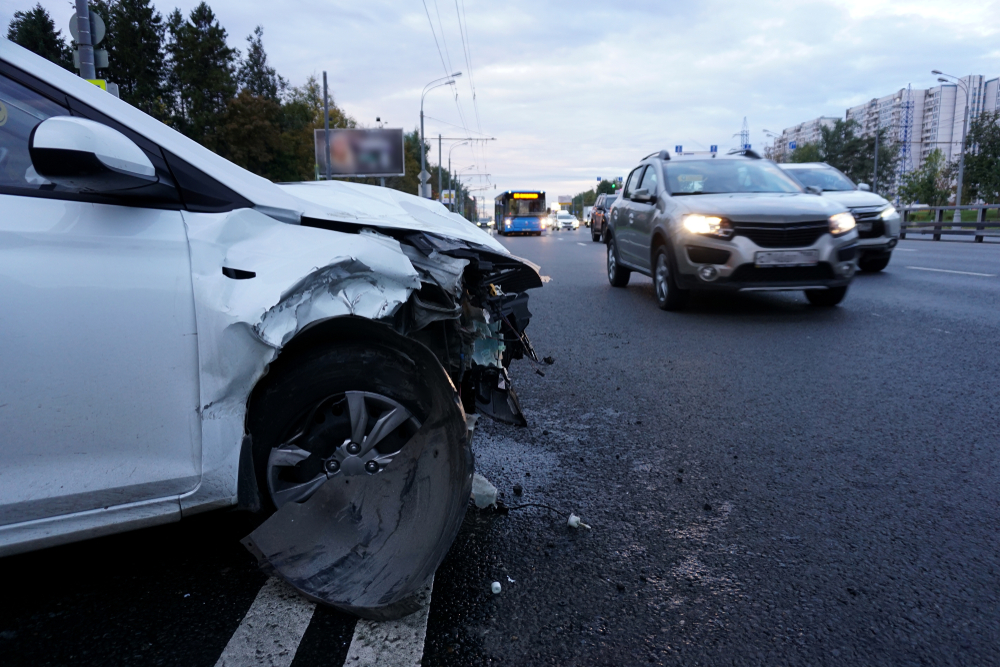
Few moments are as frightening and disorienting as watching another driver hit your car and then speed away. One second you are dealing with the shock of a crash, and the next you realize the person responsible is gone. If this has happened to you, you are not without options. A skilled hit and run accident lawyer can help you protect your health, your rights, and your ability to recover, even when the other driver is never found. At Grooms Law Firm, we help people across the Lowcountry move forward after these crashes, and we want you to know what steps matter most right now.
This guide explains what to do after a hit-and-run in South Carolina, how our state law treats a fleeing driver, and where your compensation may come from. Our goal is to give you clear, practical information so you can make calm decisions during a stressful time.
What Counts as a Hit-and-Run in South Carolina
A hit-and-run happens when a driver involved in a crash leaves the scene without stopping, sharing information, or helping anyone who is hurt. Under South Carolina law, every driver has a legal duty to stop after a collision and to render reasonable aid. Leaving the scene of an injury crash is treated seriously, and it can rise to a felony when the wreck causes injury or death. You can read the basic duty-to-stop rules in South Carolina Code Section 56-5-1210 on the state legislature’s website.
It is important to understand that a fleeing driver breaks the law twice: once by causing the crash and again by leaving. That second act does not erase your right to seek compensation. It simply changes how we go about pursuing it.
Common Hit-and-Run Scenarios in the Lowcountry
We see hit-and-run crashes in many forms around Charleston. A driver may clip your vehicle on I-26 during rush hour and keep going. Someone may back into your parked car near King Street and disappear without leaving a note. We also represent pedestrians struck by a hit-and-run driver while crossing busy roads in Mount Pleasant or North Charleston. Each situation is different, but the legal path forward often follows the same core principles.
What to Do After a Hit-and-Run in South Carolina
The steps you take in the minutes and hours after a crash can shape your entire claim. If you are physically able, here is what we encourage you to do.
Call 911 and Get a Police Report
Always call 911. A police report is one of the most important documents in any hit-and-run Charleston claim, especially when you later turn to your own insurance for recovery. Officers can canvass the area, take statements, and create an official record of what happened. Without a report, your insurer may question whether the crash occurred the way you describe.
Gather What You Can at the Scene
Try to remember and write down any detail about the other vehicle: color, make, model, partial plate numbers, dents, or bumper stickers. If there are witnesses, ask for their names and phone numbers. Witness statements can be powerful, particularly when the at-fault driver is never identified. Take photos of the damage to your vehicle, the surrounding road, and any debris left behind.
Look for Cameras Nearby
Charleston and the surrounding towns are full of cameras. Nearby businesses, doorbell cameras on homes, and traffic cameras along routes like US-17 or I-526 may have captured the other vehicle. This footage can sometimes help identify a fleeing driver, but it is often overwritten within days. Acting quickly matters, and our firm can help send preservation requests before that evidence disappears.
Seek Prompt Medical Care
See a doctor as soon as possible, even if you feel only mildly sore. Some injuries, including concussions and soft-tissue damage, do not show their full effect for a day or two. Prompt medical care protects your health and creates a record that links your injuries to the crash. Gaps in treatment can give an insurance company a reason to dispute your claim.
Where Your Compensation Comes From: Uninsured Motorist Hit-and-Run Claims
When the at-fault driver flees and is never identified, you may wonder who could possibly pay for your medical bills and lost income. This is where your own uninsured motorist coverage usually becomes your primary source of recovery.
South Carolina requires uninsured motorist (UM) coverage on auto policies, and it treats a hit-and-run or “phantom vehicle” much like an uninsured driver. In plain terms, if a driver hits you and runs, your own UM coverage can step in to cover damages the missing driver should have paid. This is a key reason we encourage every Lowcountry driver to understand the coverage they carry.
Proof and Corroboration Matter
Historically, some uninsured motorist hit-and-run claims involving an unidentified driver required physical contact between the vehicles or some independent corroboration of what happened. The exact requirements can depend on the facts and your policy language. What stays true in nearly every case is this: the stronger your evidence, the smoother your claim. A police report, witness statements, photographs, and medical records all help confirm that another driver caused the crash. Our firm works to document these claims carefully so your insurer has little room to deny them.
When an Insurer Pushes Back
Even though you pay for UM coverage, your own insurance company may still resist your claim or offer far less than your case is worth. If that happens, you are facing an insurance dispute, and you do not have to handle it alone. We are familiar with the tactics insurers use, and we know how to push back on your behalf.
Deadlines You Should Not Ignore
South Carolina generally gives injury victims three years to file a personal injury lawsuit under South Carolina Code Section 15-3-530. That may sound like plenty of time, but it passes faster than you think, and evidence fades long before the deadline arrives.
Uninsured motorist claims can carry their own notice requirements and deadlines under your insurance contract. Some policies require you to report a hit-and-run promptly. Missing one of these earlier deadlines can jeopardize your claim even if the three-year window is still open. The safest move is to speak with a lawyer soon after the crash so nothing important slips by.
What Compensation May Be Available
Every case is unique, and we never promise a specific outcome. That said, the damages available in a hit-and-run claim often mirror those in any Charleston car accident claim. These may include:
- Medical bills, both past and future
- Lost wages and reduced earning capacity
- Pain and suffering
- Property damage to your vehicle
South Carolina follows a comparative negligence rule, which can reduce a recovery if you are found partly at fault. In most hit-and-run cases, however, the fleeing driver carries clear responsibility. We work to present the facts in the strongest, most honest light possible.
How a Hit-and-Run Accident Lawyer Can Help
After a hit-and-run, you are juggling medical appointments, vehicle repairs, missed work, and uncertainty about who will pay. Our role is to lift that burden. We investigate the crash, gather and preserve evidence, handle communication with the insurance company, and build your UM claim on a solid foundation. We also help you understand your policy so you know exactly what coverage you have.
Grooms Law Firm handles personal injury cases on a contingency fee basis, which means you pay no attorney fee unless we recover compensation for you. That structure lets you focus on healing while we focus on your claim.
Frequently Asked Questions
What should I do first after a hit-and-run in Charleston?
Call 911 and stay at the scene if it is safe. Get a police report, write down anything you remember about the other vehicle, collect witness contact information, take photos, and look for nearby cameras. Then seek medical care promptly. These steps protect both your health and your future claim.
Who pays if the other driver is never found?
In most cases, your own uninsured motorist coverage becomes the primary source of recovery. South Carolina treats a fleeing or “phantom” driver much like an uninsured one, so your UM coverage can step in to pay for damages the missing driver should have covered.
Do I really need a police report for a hit-and-run claim?
It is strongly recommended. A police report is often essential for an uninsured motorist hit-and-run claim because it creates an official record of the crash. Without one, your insurance company may question whether the collision happened as you describe.
How long do I have to file a claim in South Carolina?
South Carolina generally allows three years to file a personal injury lawsuit. However, uninsured motorist claims often carry earlier notice deadlines under your insurance policy. Because these deadlines can come up quickly, it is wise to speak with an attorney soon after the crash.
Is leaving the scene of a crash a crime in South Carolina?
Yes. Every driver has a legal duty to stop and render aid after a collision. Leaving the scene of an injury crash is a crime in South Carolina and can become a felony when the wreck causes injury or death.
What if my own insurance company denies my UM claim?
Even though you pay for the coverage, insurers sometimes resist or undervalue uninsured motorist claims. If that happens, you have the right to push back. An attorney can document your claim, challenge an unfair denial, and work to hold your insurer accountable.
Speak With a Charleston Injury Attorney Today
A hit-and-run leaves you with questions, injuries, and a driver who never took responsibility. You do not have to sort it out alone. Our firm is locally rooted in the Lowcountry, and we are ready to help you understand your options and pursue the recovery you deserve. Contact Grooms Law Firm for a free consultation, and let us help you take the next step with confidence.